
Field Service Management Software for Energy & Utility

One field service platform for every utility network

Electric, gas, and water utilities all run field operations under the same basic pressure: aging assets, a shrinking skilled workforce, and rising regulatory demands, on networks that rarely stop for a maintenance window. But a leak-detection crew, a gas-line inspector, and a substation technician don’t need the same tools, and a single utility group increasingly runs all three at once.
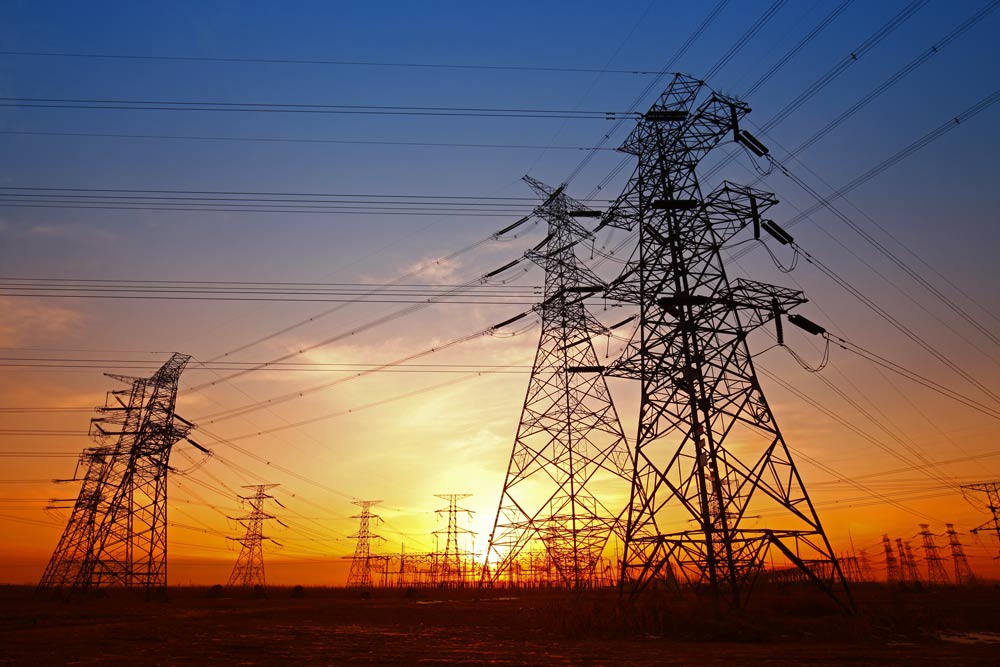
Energy-and-Utility-networks
Energy and Utilities worldwide choose OverIT as their #1 FSM digital partner

The Challenges Facing Energy & Utility Field Operations Today

Aging infrastructure across sprawling, multi-utility networks

Pipes, meters, lines, and plant equipment installed decades ago are still in service, often undocumented in any system a dispatcher can search in the field. A water main from the 1960s, a gas line with no digital record of its last pressure test, a substation transformer nearing end of life: each carries its own failure risk, and multi-utility operators carry that risk across two or three network types simultaneously, not one. Without a shared asset record, every network gets managed as its own silo, and nobody sees the full exposure.

Fragmented systems that don’t talk to each other

GIS holds the asset map. EAM holds the maintenance history. ERP holds the work order and the billing record. When a technician has to check three systems, or call the office, to confirm what’s actually at a job site, the fix that should take twenty minutes takes two hours. That gap compounds during emergencies, when a dispatcher needs the asset’s full history in seconds, not after a callback to a supervisor who has to look it up manually.

Workforce shortages and knowledge-transfer risk

A generation of field technicians who know a network by memory, which valve to check first, which stretch of line always causes trouble, is retiring faster than utilities can replace or train around them. Every unrecorded shortcut and workaround leaves with them. Software that captures institutional knowledge into structured, searchable work history, tied to the specific asset rather than a person’s memory, is no longer optional for utilities planning past the next five years.

Regulatory pressure and the energy transition

Net-zero targets, decarbonization mandates, and integration of distributed and renewable generation are adding new compliance and reporting requirements on top of day-to-day maintenance work, for water and gas utilities as much as electric ones. Regulators increasingly expect a documented audit trail for emissions, safety inspections, and grid-modernization progress, generated automatically from field activity rather than reconstructed after the fact from paper logs and spreadsheets.

Multi-Utility Workforce Management Solutions

Cross-network technician scheduling

Matching the right technician, with the right skill and certification, to the right job, whether it is electric, gas, water, or heat.

Unified asset inspection and maintenance

One system of record for inspection and maintenance schedules across every network type, instead of separate tools per utility.

Emergency and outage response across networks

Coordinating crews and resources during incidents that may affect more than one network at once.

Regulatory compliance across utility types

Managing the distinct safety and compliance requirements of each network from a single platform.

Workforce onboarding and knowledge transfer

Capturing institutional knowledge as experienced staff retire, and getting new technicians productive faster.

Real-time field visibility

Mobile-first execution and live status across every crew, regardless of which network they are working on.

System integration

Connecting GIS, EAM, SCADA, and HR systems across utility lines into one operational view.

Customer communication across service types

Keeping customers informed consistently, whatever combination of services they receive.

Energy-Utility-Field-Service-Management-Software-ht
ENERGY & UTILITY

One Platform, Every Utility Network

Field service efficiency is key for maintaining consistent electricity, water, and gas supply. OverIT’s field service management software empowers the seamless optimization of maintenance operations, repair workflows, and mobilization of workforce in a single pane of glass view.

Electric Utilities

Electricity Transmission and Distribution System Operators (TSOs and DSOs) benefit from enhanced grid deployment and effective outage management with improved SAIDI and SAIFI metrics. Each network is interconnected, digitalized, and cyber-resilient. And with advanced scheduling, real-time monitoring, and mobile solutions, we help utility companies maintain compliance while achieving superior service reliability and customer satisfaction.

Electric Utilities

Gas Utilities

Gas utilities benefit from our Field Service Management software through optimized pipeline management and enhanced safety protocols. Our platform supports efficient scheduling of inspections, maintenance, and repairs, ensuring safe and continuous gas distribution to end users. With real-time monitoring, mobile solutions, and advanced analytics, we enable gas utilities to minimize disruptions, improve response times, and meet regulatory standards.

Gas Utilities

Water and Wastewater

Water and wastewater utilities can streamline operations and maintenance with our platform, improving service reliability, reducing downtime, and ensuring regulatory compliance. By preventing water leakage and minimizing environmental impact, our advanced scheduling, real-time monitoring, and mobile solutions enhance infrastructure management and mitigate hydrogeological risks, ultimately supporting better community service.

Water Utilities

Measuring success in Energy & Utility

The OverIT NextGen Platform empowers utilities by streamlining field service operations and improving asset reliability
DISCOVER OUR PRODUCTS
200k+
Active users across the platform
150+
Utilities served worldwide
25+
Countries deployed in
Across 10 countries, field service productivity increased 50%

Smooth integration with third-party systems allowed 25.000 technicians to increase efficiency

Enel, the largest utility in Europe, reached mission-critical milestones with help from third-party integrations, automated work dispatching, and task management through our mobile app. Key outcomes included:
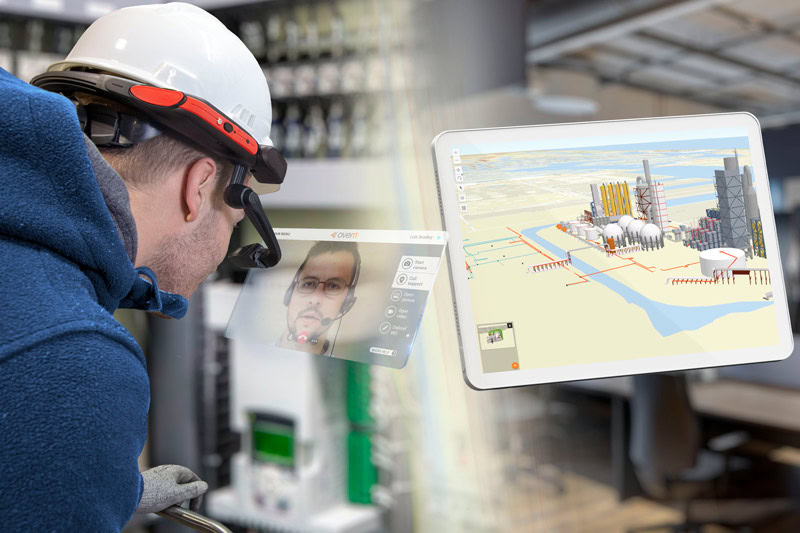

  • 74% reduction of maintenance costs
  • Improving average system alignment times by 60%
  • A 40% productivity improvement on 2,500 work orders and 800 notifications per month
  • Reducing activity reporting time by 49%
Learn more about ENEL
CUSTOMER SUCCESS STORIES IN ENERGY & UTILITY
what-is-field-service-management

Transform utility operations and lead the energy transition with FSM software solutions

As the energy landscape evolves, utilities face the critical challenge of enhancing reliability, improving efficiency, and supporting grid modernization and renewable energy integration. These efforts are key to building a resilient and sustainable future for the communities they serve.

Discover how FSM software solutions can help drive the energy transition and power a sustainable future. Together.

How to Evaluate a Field Service Platform for Utilities
What is field service management for utilities?

Field service management (FSM) for utilities is software that coordinates the field technicians, work orders, and assets involved in field operations, dispatch, scheduling, mobile execution, and asset/GIS data, for water, gas, and electric utility networks.

How is FSM different for water, gas, and electric utilities?

The underlying platform capabilities overlap (dispatch, mobile, GIS, compliance), but the workflows differ: water utilities focus on leak detection and water-quality compliance, gas utilities on safety-critical inspection and leak survey, and electric utilities on outage management and grid-specific assets like substations and transmission lines.

Can utility field service software work offline in remote areas?

Yes, on a platform built for it. Offline-first mobile capability lets technicians access work orders, asset history, and GIS data without a live connection, then syncs automatically once service resumes, which matters for underground, rural, or storm-affected work.

How does FSM support the energy transition and sustainability goals?

FSM software supports decarbonization and net-zero goals operationally, by integrating distributed energy resources into field workflows, reducing truck rolls and associated emissions through better first-time-fix rates, and generating the compliance documentation regulators require for emissions and grid-modernization reporting.

What’s the difference between this page and OverIT’s electric utilities platform?

This page covers field service management across energy and utility operations broadly, including water, gas, electric, and multi-utility groups. OverIT’s electric utilities page goes deeper on grid-specific workflows: substations, transmission and distribution, DER integration, and outage management. If your operation is electric-grid-only, start there for the fuller detail.